Most Australians know someone who has lost more time than they meant to at the pokies. From Hobart parlours to online lobbies, the pull is remarkably consistent. I have spent years modelling operator-side finance for iGaming and sportsbook groups, and the numbers tell a clear story: the machines are built to keep sessions going, not to hand out predictable payouts. That is the real reason players struggle to stop.
How the Lobby Frames the First Spin
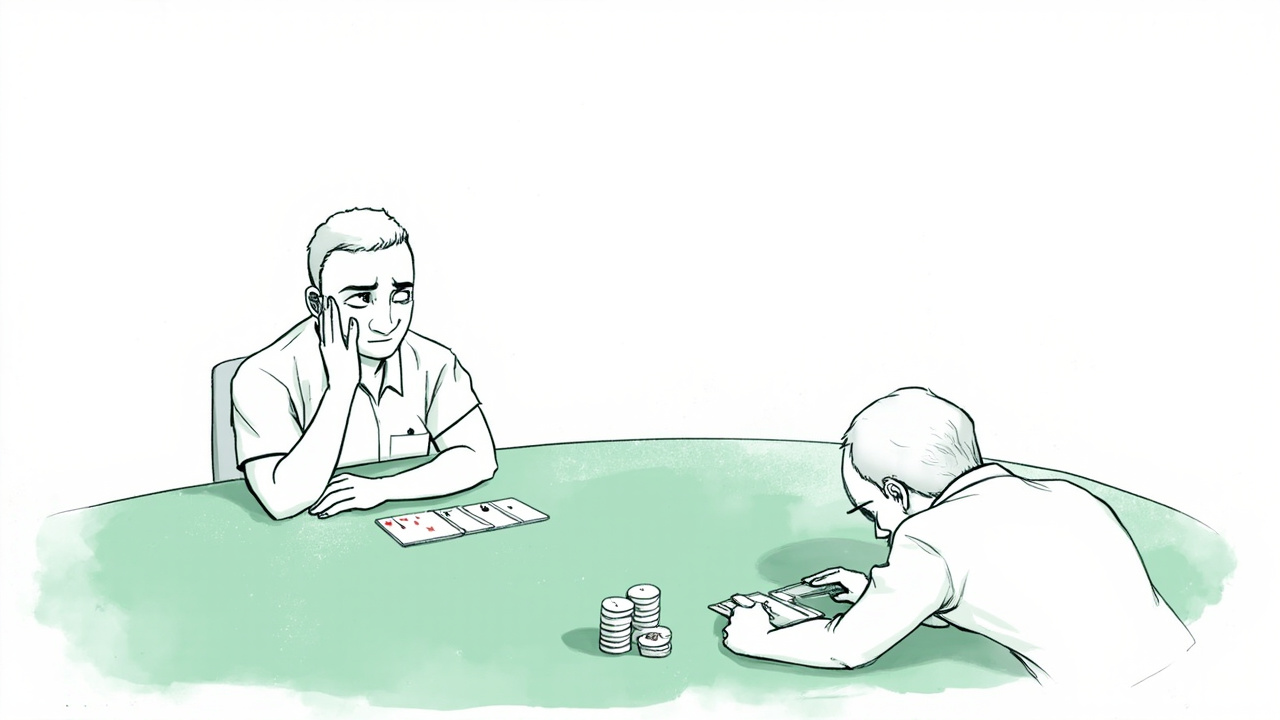
A player opening a casino lobby does not see a random pile of games. The catalogue is arranged to surface slots first, with table and live content pushed further down the page. Providers are grouped by brand recognition, and the search bar is tuned for titles rather than risk controls. When I compare that layout to how a bookmaker organises markets, the difference is stark. A sportsbook puts limits and market depth front and centre; a slots lobby puts colour, sound, and near-miss imagery first. That ordering matters because it shapes what a new player notices before they ever press spin.
I have seen operators track aggregate results across millions of bets, not single outcomes, and that same lens explains why the lobby feels so inviting. Each game is a small event in a very large sample, and the screen is designed to make every loss feel like it is still part of a run that could turn. A player searching for a familiar theme will often land on a title with fast spins, frequent small returns, and a bonus buy option where the operator allows it. The registration step is usually quick, the mobile view mirrors the desktop lobby, and the first deposit is framed as a way to access extra value rather than as a clear line in the budget.
For someone trying to understand why pokies are so addictive, the lobby is where the pattern starts. The mix of slots, the way providers are stacked, and the search defaults all push a player toward the fastest, loudest games first. If you want to claim ozwin casino bonus as part of that first session, the terms still sit inside the same design: the bonus extends play, and extended play is exactly what the machine format rewards.
The Machine Mechanics That Stretch Sessions
The actual spin is where the design does its work. Modern pokies use volatile paytables, weighted near-misses, and bonus triggers that feel earned even when the underlying maths is fixed. From a finance perspective, the operator is not pricing each spin like a single bet; they are managing a long run of wagers and the variance that comes with them. I have built models where the same slot title can produce very different session lengths depending on bet size and stop rules, and the player-facing experience is tuned to keep the session alive.
A few mechanics show up again and again. Fast spin speeds reduce the pause between outcomes. Losses disguised as wins keep the screen and sounds positive even when the net result is negative. Bonus rounds and free spin features create peaks that players remember more vividly than the flat stretches between them. The table below is a simple way to compare how those features tend to behave in a typical lobby, using figures that stay consistent with how operators think about aggregate results rather than single spins.
| Feature | What the player notices | What the operator models |
|---|---|---|
| Spin speed | Less downtime, more outcomes per session | Total handle and session length |
| Near-miss weighting | Feels close, encourages another bet | Long-run return across millions of spins |
| Bonus triggers | Excitement spikes, memorable peaks | Variance and retention across the book |
| Bet sizing controls | Player feels in control of pace | Exposure and aggregate risk limits |
That is why I reckon the question is never just about willpower. The machine format, the pace, and the reward schedule all push in the same direction. A player in an arvo session can easily lose track of time because the feedback loop is short and continuous. The same logic applies online, where the mobile screen removes the physical cues of a venue and keeps the focus on the reels.
Why the Pull Follows Players Offline
The addiction pattern does not end when the screen closes. Players carry the memory of bonus rounds, the rhythm of near-misses, and the habit of treating a loss as something that might still turn around. I have seen tax and accounting teams treat gambling revenue as a steady stream at the operator level, while individual players experience it as a series of emotional highs and lows. Those are not the same thing, and confusing them is how people end up spending more than they planned.
This lingering mindset often drives individuals to seek familiar environments where they can test their luck again. Some users visit sites like https://ozwinbonus.org/ to claim ozwin casino bonus, hoping the cycle will finally break in their favor. Yet the underlying psychology remains unchanged, waiting for the next trigger to begin the loop anew.
Support and loyalty systems can cut both ways. A well-run loyalty programme rewards continued play, which is useful for a player who already has clear limits, but it can also make stopping feel like leaving value on the table. Payment flows are usually quick, and currencies are presented in a familiar way, so the friction between deciding to play and actually depositing stays low. Responsible gambling tools exist, but they work best when a player sets them before the session, not after the reels have already done their work.
If you are in Hobart and you have watched a mate keep pulling the lever long after they meant to stop, you know the pattern is local and familiar. The same design shows up in venues and online, and the same finance reality sits underneath it: operators plan for aggregate results across millions of bets, while players live through single sessions that feel personal and unpredictable. That gap is where the trouble starts.
So here is the question I want to leave you with: if the lobby, the spin speed, and the bonus rhythm all push for one more spin, what is the one rule you would set before you ever press play?